Alyce Reavis, RN,MSN,CCDS,CCS • April 16, 2026

Non-Infectious SIRS: Documentation and Coding Considerations

Non-infectious SIRS (systemic inflammatory response syndrome) with or without organ dysfunction is an inflammatory response not due to infection.


Clinical Indicators of Non-Infectious SIRS

Two or more of the following:

  • Temp >38°C (100.4°F) or <36°C (96.8°F)
  • WBC >12,000/microL or <4,000/microL or Bands >10%
  • Heart Rate >90 beats/min
  • Respiratory rate >20 breaths/min 


Common Conditions Associated With Non-Infectious SIRS

Non-infectious SIRS seen in patients with pancreatitis, acute mesenteric ischemia, burns, major surgical procedures, advanced malignancies, major traumas, tumor lysis syndrome, myocardial infarction and transfusion reactions.


ICD-10-CM Coding for Non-Infectious SIRS

Codes are given based on whether acute organ dysfunction is present:

  • R65.10, SIRS of noninfectious origin without acute organ dysfunction (CC)
  • R65.11, SIRS of noninfectious origin with acute organ dysfunction (MCC)
  • Per the Excludes 1 note, SIRS is not reported if sepsis is present
  • If documentation is not clear concerning whether SIRS is related to acute organ dysfunction, the provider should be queried


Acute Organ Dysfunction Considerations

Possible acute organ dysfunction includes but is not limited to: acute respiratory failure, AKI, acute metabolic encephalopathy, critical illness myopathy, and disseminated intravascular coagulation (DIC).


CDI Query Prompt for SIRS Clarification

Can you please specify if you are treating and/or monitoring any of the following conditions?

  • Noninfectious SIRS with acute organ dysfunction
  • Noninfectious SIRS without acute organ dysfunction
  • Other, please specify


Clinical Indicators:

Admitted for acute pancreatitis

VS: HR 100–122, RR 22–30, WBCs on admit 18K, Temp 101.2

Blood/Urine cultures negative

Treatments include pain medication and IV fluids



Alyce Reavis, RN,MSN,CCDS,CCS, Senior CDI Educator, Consulting Services at UASI

Alyce Reavis, RN,MSN,CCDS,CCS 

Senior CDI Educator, Consulting Services at UASI


Drawing on clinical experience in adult, pediatric, and neonatal acute care, Alyce brings valuable insight to CDI education and documentation improvement. She holds an MSN in Leadership/Education along with CCDS, CCS, and AHIMA’s outpatient CDI micro credential, supporting health systems in strengthening documentation accuracy, quality reporting, and reimbursement integrity. Passionate about truthful, clinically aligned health records, she helps organizations ensure documentation reflects true patient acuity. She is a past presenter


Works Cited

Centers for Medicare & Medicaid Services. (2025). ICD-10-CM Official Guidelines for Coding and Reporting, FY 2026.
Available at
https://www.cms.gov/files/document/fy-2026-icd-10-cm-coding-guidelines.pdf


American Hospital Association. (n.d.). Systemic inflammatory response syndrome (SIRS) and organ dysfunction. Coding Clinic for ICD-10-CM/PCS. Available at https://www.ahacentraloffice.org/aha-coding-clinic



Title graphic with brain, When to Query for Hepatic Encephalopathy
By Alyce Reavis, RN, MSN, CCDS, CCS July 7, 2026
Learn how hepatic encephalopathy ICD-10 coding works, what clinical indicators trigger a CDI query, and documentation requirements for accurate code capture.
Mother carrying newborn baby
By Alyce Reavis, RN,MSN,CCDS,CCS June 23, 2026
Review clinical indicators, ICD-10-CM coding, CDI considerations, and query opportunities for postpartum hemorrhage documentation.
Graphic title, person sitting down and holding both hands to chest
By Alyce Reavis, RN,MSN,CCDS,CCS April 15, 2026
Learn when to code acute respiratory failure with hypoxia (J96.01), including clinical indicators, documentation tips, and CDI query opportunities.
Graphic image for  ICD-10-PCS Changes for April 1, FY 2026, doctor pointing to computer
By Alyce Reavis, RN,MSN,CCDS,CCS March 16, 2026
Review key ICD-10-CM updates effective April 1, 2026 including Parkinson’s disease indexing changes, respiratory failure coding revisions, and neuroendocrine tumor classification updates.
Child with cerebral palsy smiling during therapy activity with motor impairment and supportive care.
By Alyce Reavis, RN, MSN, CCDS, CCS January 26, 2026
Support accurate cerebral palsy ICD-10-CM coding with CDI guidance on clinical indicators, documentation requirements, and physician query opportunities.
CDI Tip Title Graphic, mom and baby sleeping text reads
By Alyce Reavis, RN,MSN,CCDS,CCS January 13, 2026
Clarify apnea of prematurity clinical indicators, treatment considerations, and CDI coding guidance to support accurate neonatal documentation and query decisions.
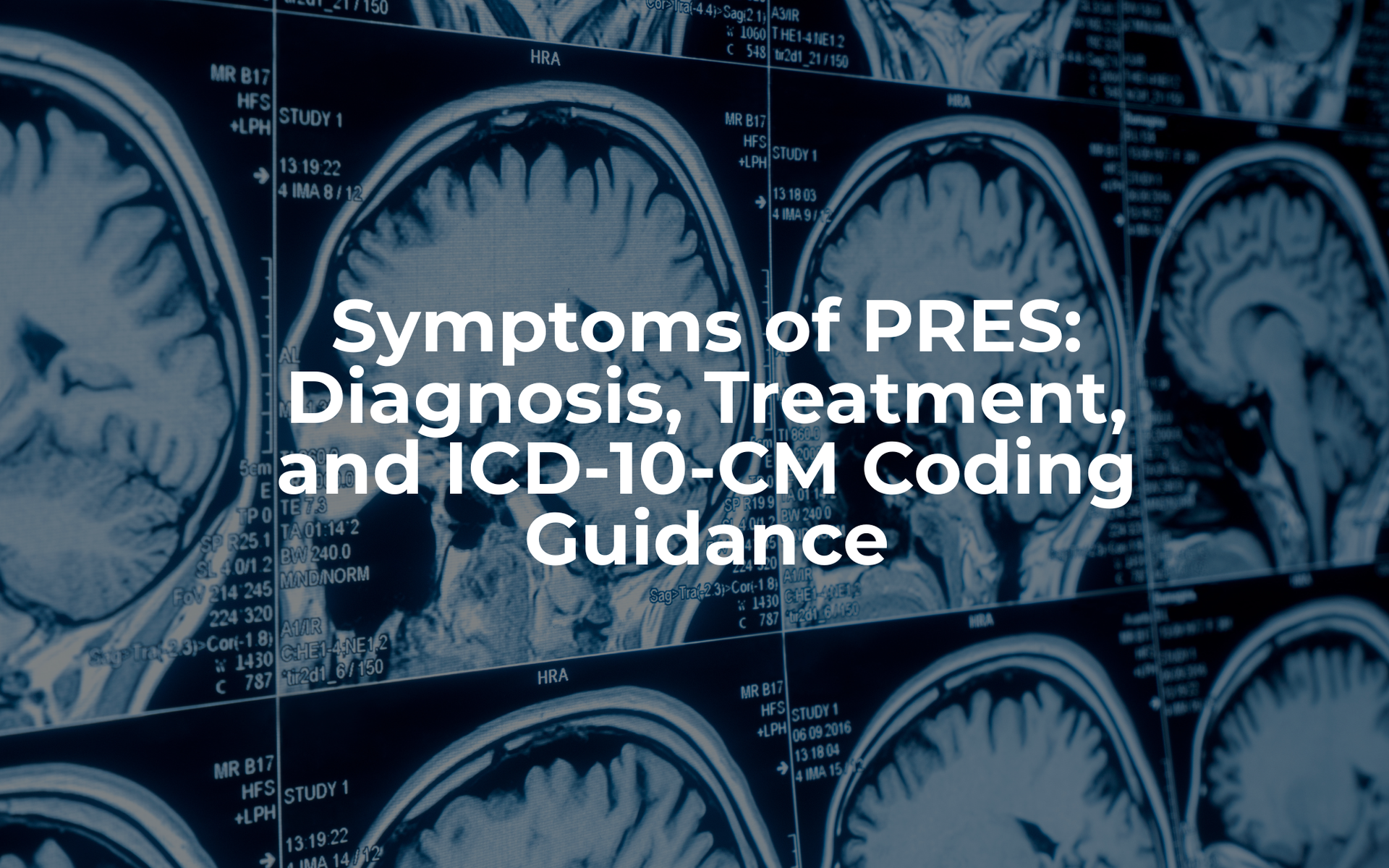
MRI brain scans illustrating symptoms of PRES with title text overlay.
December 9, 2025
Learn the symptoms of PRES, key treatment considerations, ICD-10-CM code I67.83, and documentation tips for CDI and accurate DRG assignment.
Microscopic immune cells interacting in cellular environment, illustrating immune effector activity
By Alyce Reavis, RN, MSN, CCDS, CCS December 1, 2025
Understand ICANS documentation and ICD-10 coding with guidance on the ICANS grading system, ICE score, clinical indicators, and CAR T-cell neurotoxicity.
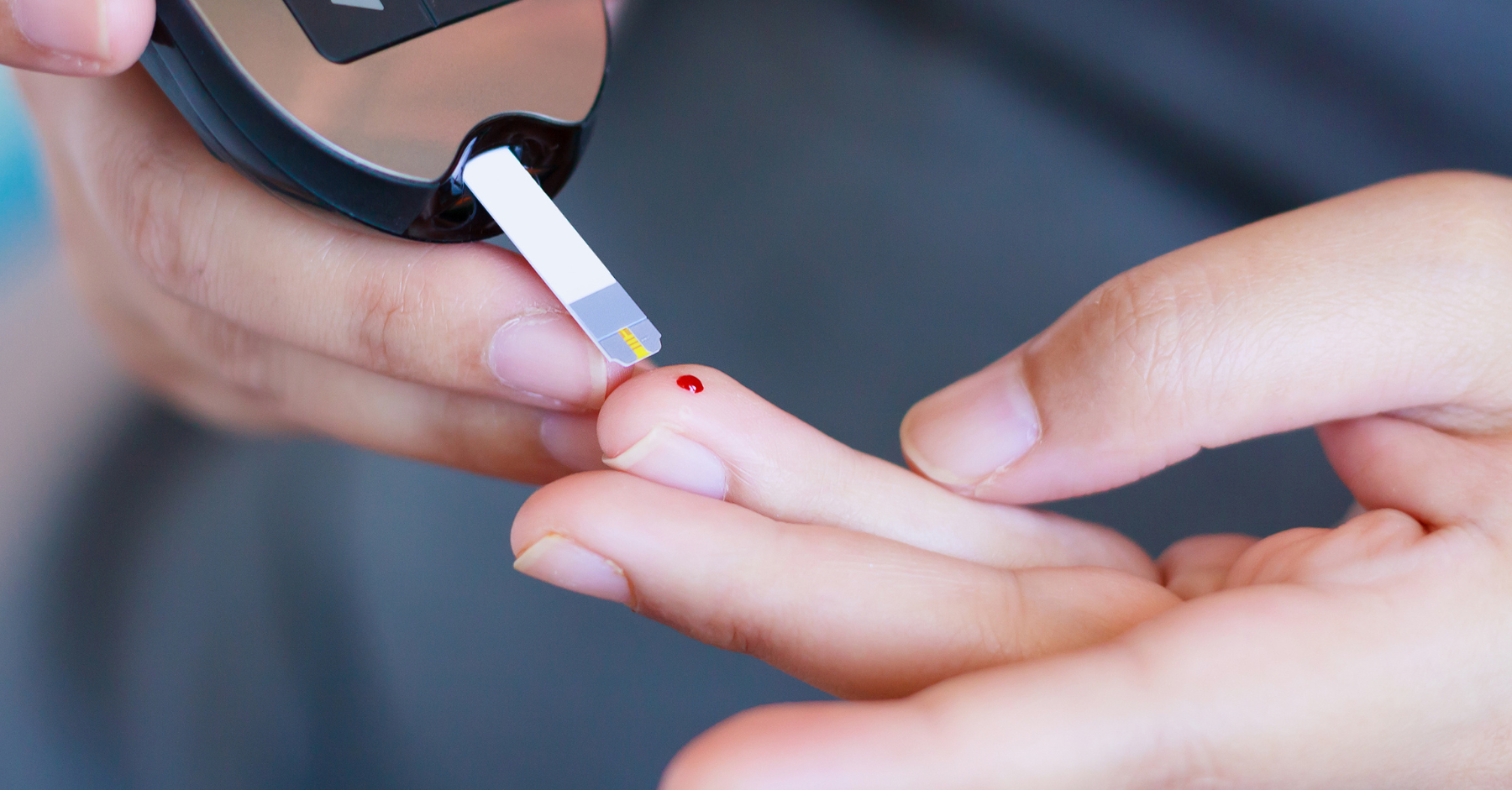
Fingerstick blood glucose test being performed, illustrating screening and monitoring practices for gestational diabetes.
By Alyce Reavis, RN, MSN, CCDS, CCS November 3, 2025
Define gestational diabetes documentation requirements, key risk factors, and clinical details needed to support accurate ICD-10 coding, severity capture, and quality reporting.
Clinician pointing to anatomical kidney model illustrating acute kidney injury.
By Alyce Reavis, RN, MSN, CCDS, CCS October 20, 2025
Learn how to identify, document, and code acute kidney injury (AKI), including diagnostic criteria, staging, ICD-10-CM guidance, and CDI query considerations.
Show More