
May 12, 2025

The Silent Driver Behind 4+ Star CMS Ratings 

For Quality Directors, CMS Star Ratings are more than a metric—they reflect a healthcare organization’s commitment to excellence. A 4+ Star CMS rating directly influences plan revenue through quality bonus payments, increased member enrollment, and rebate retention. For Medicare Advantage organizations, even a one-star drop can mean millions in lost revenue, making high ratings essential for financial growth and long-term sustainability.

While many factors influence ratings, documentation is the silent powerhouse that drives accuracy, compliance, and performance.

1) Strengthen Data Integrity & Performance


Incomplete or inconsistent documentation distorts outcomes, masking gaps in patients care and skewing Star Ratings. By standardizing documentation workflows, you:

  • Capture clinical and operational data reliably
  • Reduce discrepancies in HEDIS, CAHPS, and Part D reporting
  • Strengthen the healthcare system's foundation for accurate quality measurement


2) Demonstrate Unwavering CMS Compliance


Regulators scrutinize documentation to validate adherence to CMS regulations. Proactively aligning documentation with CMS requirements:

  • Mitigates audit risks and avoids costly penalties
  • Provides clear evidence of policy implementation and care delivery
  • Builds credibility with regulators and stakeholders


3) Achieve Audit-Readiness Without Last-Minute Scrambles


Audits shouldn’t be a fire drill. Accurate and thorough documentation and workflows ensure:

  • Easy retrieval of patient records, policies, and corrective actions
  • Transparent audit trails for measures like Medication Adherence (Part D) and Chronic Condition Management
  • Confidence in defending your plan’s performance under scrutiny should an audit arise


4) Optimize Outcomes Across Key Clinical and Service Domain Measures


Star Ratings hinge on high-impact areas like medication adherence, preventive screenings, and chronic care management. Strong documentation:

  • Tracks performance gaps compared to peers and a baseline in real time, enabling timely interventions
  • Supports care coordination across providers
  • Validates performance for hybrid and administrative measures


5) Boost Member Satisfaction and Retention


Documentation isn’t just for regulators—it’s a tool for member trust. Clear records of:

  • Benefits explanations and care plans reduce confusion
  • Grievances and appeals demonstrate responsiveness
  • Preventive outreach (e.g., annual wellness visits) improves CAHPS scores


Quality leaders who view documentation as a strategic asset, and not merely a bureaucratic task, unlock its full potential to improve reporting accuracy, enhance compliance, and drive measurable improvements in Star Ratings. This proactive approach not only strengthens data integrity and reduces risk but also directly impacts revenue by maximizing reimbursement tied to Star Ratings performance. By leveraging documentation as a tool for continuous improvement, organizations can build a sustainable path toward higher ratings and long-term financial success.






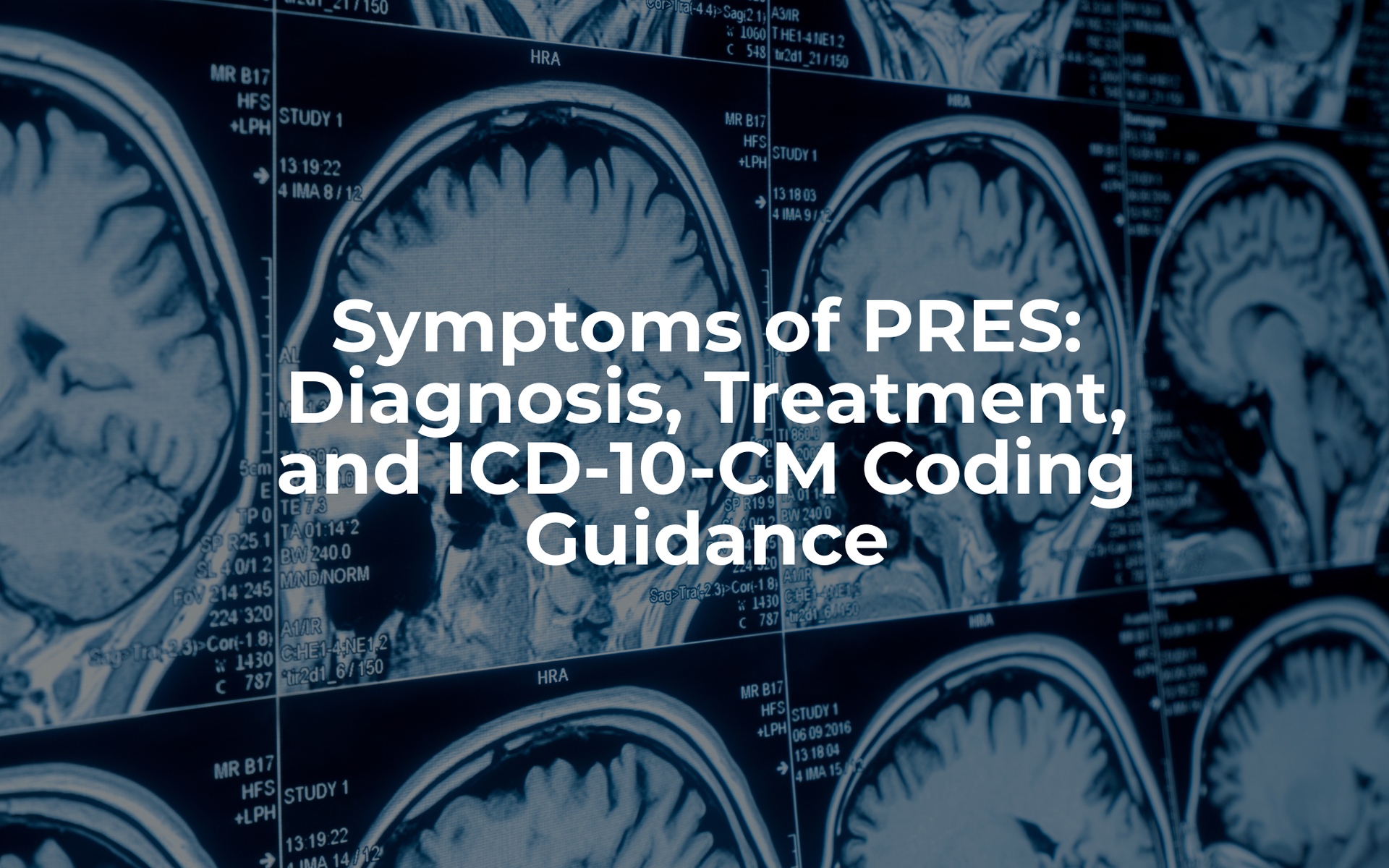
MRI brain scans illustrating symptoms of PRES with title text overlay.
December 9, 2025
Learn the symptoms of PRES, key treatment considerations, ICD-10-CM code I67.83, and documentation tips for CDI and accurate DRG assignment.
Microscopic immune cells interacting in cellular environment, illustrating immune effector activity
By Katie Curry December 1, 2025
Understand ICANS documentation and ICD-10 coding with guidance on the ICANS grading system, ICE score, clinical indicators, and CAR T-cell neurotoxicity.
Fingerstick blood glucose test being performed, illustrating screening and monitoring practices for gestational diabetes.
By Katie Curry November 3, 2025
Gestational Diabetes
Clinician pointing to anatomical kidney model illustrating acute kidney injury.
By Katie Curry October 20, 2025
Learn how to identify, document, and code acute kidney injury (AKI), including diagnostic criteria, staging, ICD-10-CM guidance, and CDI query considerations.
Blurred hospital scene symbolizing CDI review of firearm injury intent reporting.
By Katie Curry September 30, 2025
Learn how firearm injury intent is documented and reported in ICD-10-CM, including intent categories, external cause codes, and documentation considerations.
Title image for the ventricular standstill clinical documentation and coding overview
By Katie Curry September 22, 2025
Learn how ventricular standstill is documented and coded, including clinical indicators, ICD-10-CM guidance, and common documentation considerations.
Title image for neurostorming (PSH) documentation and coding
By Katie Curry September 7, 2025
Learn how neurostorming, also known as paroxysmal sympathetic hyperactivity (PSH), is documented and coded using ICD-10-CM guidance.
Title photo of doctor for New ICD-10-CM code E11.A for type 2 diabetes mellitus in remission
By Katie Curry August 7, 2025
FY 2026 ICD-10-CM coding guidance for new code E11.A, Type 2 diabetes mellitus without complications in remission, including documentation and query considerations.
Infant’s feet held in an adult hand, representing pediatric care.
By Katie Curry July 9, 2025
Clinical documentation and coding guidance for neonatal encephalopathy, including key indicators, query considerations, and ICD-10-CM codes.
By Katie Curry May 12, 2025
Definition: Tumor lysis syndrome (TLS) is an oncologic emergency caused by massive tumor cell lysis and the release of large amounts of potassium, phosphate, and uric acid into the systemic circulation. Deposition of uric acid and/or calcium phosphate crystals in the renal tubules can result in acute kidney injury.
Show More