INSIGHTS:

Stay Informed and Inspired

Explore the Latest News, Articles, Case Studies, and Whitepapers from Industry Experts

Your Source for Industry Knowledge

Welcome to UASI's Insights! This is your go-to destination for the latest articles, whitepapers, and thought leadership articles. Our Insights Center is designed to keep you informed and inspired with expert analysis, innovative ideas, and helping to build your knowledge on a variety of topics. Whether you're looking to stay ahead of industry trends, gain new perspectives, or find solutions to complex challenges, our curated content has you covered. Dive in and explore a wealth of resources that will help you navigate and excel in the ever-changing healthcare landscape.


Is Your Health System Ready for the Shift to Risk Adjustment? 

The healthcare landscape is evolving, and the transition to Risk Adjustment is more critical than ever. As we approach the CMS 2025 changes, it’s essential that health systems are not only aware of the challenges ahead but are also strategically preparing to navigate this shift.


In our latest panel discussion, we dive deep into the complexities of Risk Adjustment, exploring:
Key Challenges in Risk Adjustment
, Varied Perspectives, and Actionable Strategies


We asked UASI experts to weigh in on this important topic;

*Rachel Mack, MSN, RN, CCDS, CDIP, CCS, CRC

*Linda Wiseman, BSN, RN, CCDS

*LouAnn Widemann, MS, FAHIMA, RGIA, CHDA, CDIP

*Kathy DeVault, MSL, RHIA, CCS-P, FAHIMA


Learn about practical steps, best practices, and tools that will ensure your organization stays ahead of the curve.

Lena Wilson joins UASI as our newest client success manager
By Katie Curry December 2, 2025
With 20 years of CDI and coding experience, Lena Wilson brings experience in building, scaling, and optimizing CDI programs across complex health systems.
Medicare and Medicaid regulatory changes overview
By Katie Curry December 1, 2025
Learn about the major CMS regulations taking effect in 2026, including compliance impacts, reporting requirements, and deadlines healthcare organizations should prepare for.
Image illustrating announcing rising Medicare costs for 2026
By Katie Curry November 19, 2025
Learn how Medicare costs are expected to rise in 2026, what CMS announced this week, and how these changes affect providers and patients.
The Financial Power of Quality Metrics and RAF Scores in Today’s Healthcare Landscape | UASI
By Katie Curry November 17, 2025
Explore how quality metrics and RAF scores directly impact financial performance, reimbursement, and organizational success in today’s healthcare landscape.
Welcome Lora Council as Client Success Manager of Coding Services
By Katie Curry October 24, 2025
Welcome Lora Council as Client Success Manager of Coding Services
Hospital exterior with title about RCM insights from Leah Jeffries, RHIT, CDIP, CCS, CCS-P.
By Katie Curry October 22, 2025
Explore key takeaways of Leah Jeffries, RHIT, CDIP, CCS, CCS-P’s AHIMA presentation on the complexity of revenue cycle management in critical access hospitals.
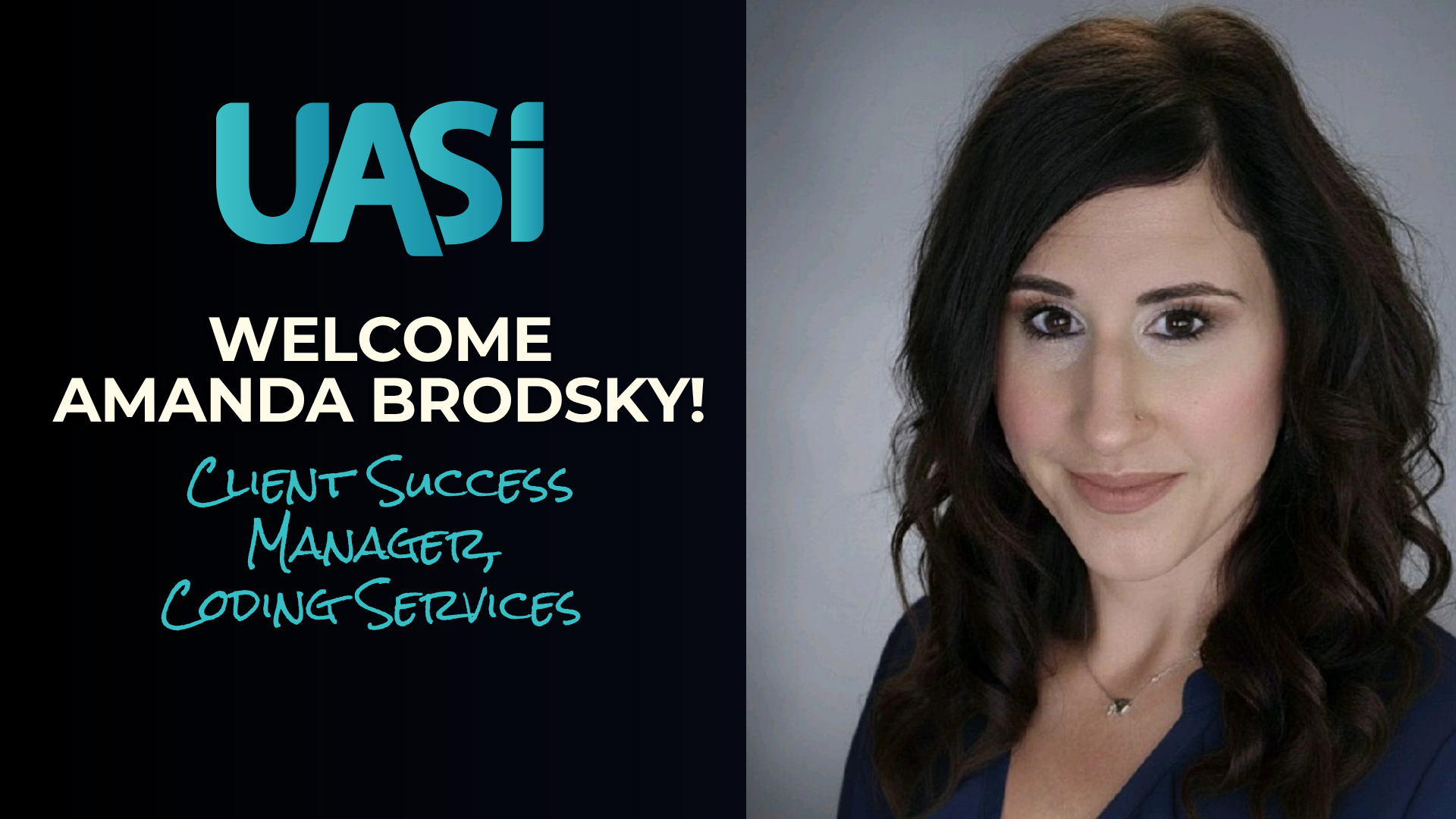
By Katie Curry October 21, 2025
UASI Welcomes Amanda Brodsky as Client Success Manager – Coding Services UASI is thrilled to announce that Amanda Brodsky, CPC, COSC, has joined our team as Client Success Manager in Coding Services. In this role, Amanda will partner closely with our clients to oversee service deliverables, manage engagement scope, and ensure exceptional quality and performance across our coding solutions. She will also collaborate with our internal teams to drive continuous improvement, optimize coding outcomes, and uphold our commitment to excellence in client success. Amanda brings more than a decade of experience in medical coding, leadership, and team development. Before joining us, she served as a Coding Manager at Aquity Solutions, where she led multi-specialty coding teams, implemented productivity and quality initiatives, and maintained outstanding audit accuracy rates. Her proven leadership and dedication to client service make her a strong addition to our Coding Services team. Throughout her career, Amanda has advanced through several leadership and coding roles, building extensive experience across specialties such as Orthopedics, Pediatrics, and Pain Management. Amanda is a Certified Professional Coder (CPC) and Certified Orthopaedic Surgery Coder (COSC) through AAPC. She also holds a Coaching & Teambuilding for Managers and Supervisors certification from SkillPath and earned her Bachelor of Science in Political Science and Government from Northern Illinois University. “Amanda’s leadership experience and client-first mindset align perfectly with our mission to deliver high-quality, customized coding solutions,” said Donna Sherburne, Director of Coding Services. “We’re confident she will make an immediate and lasting impact for our clients and team members alike.” We’re excited to welcome Amanda to the UASI team and look forward to the expertise and energy she brings to our organization.
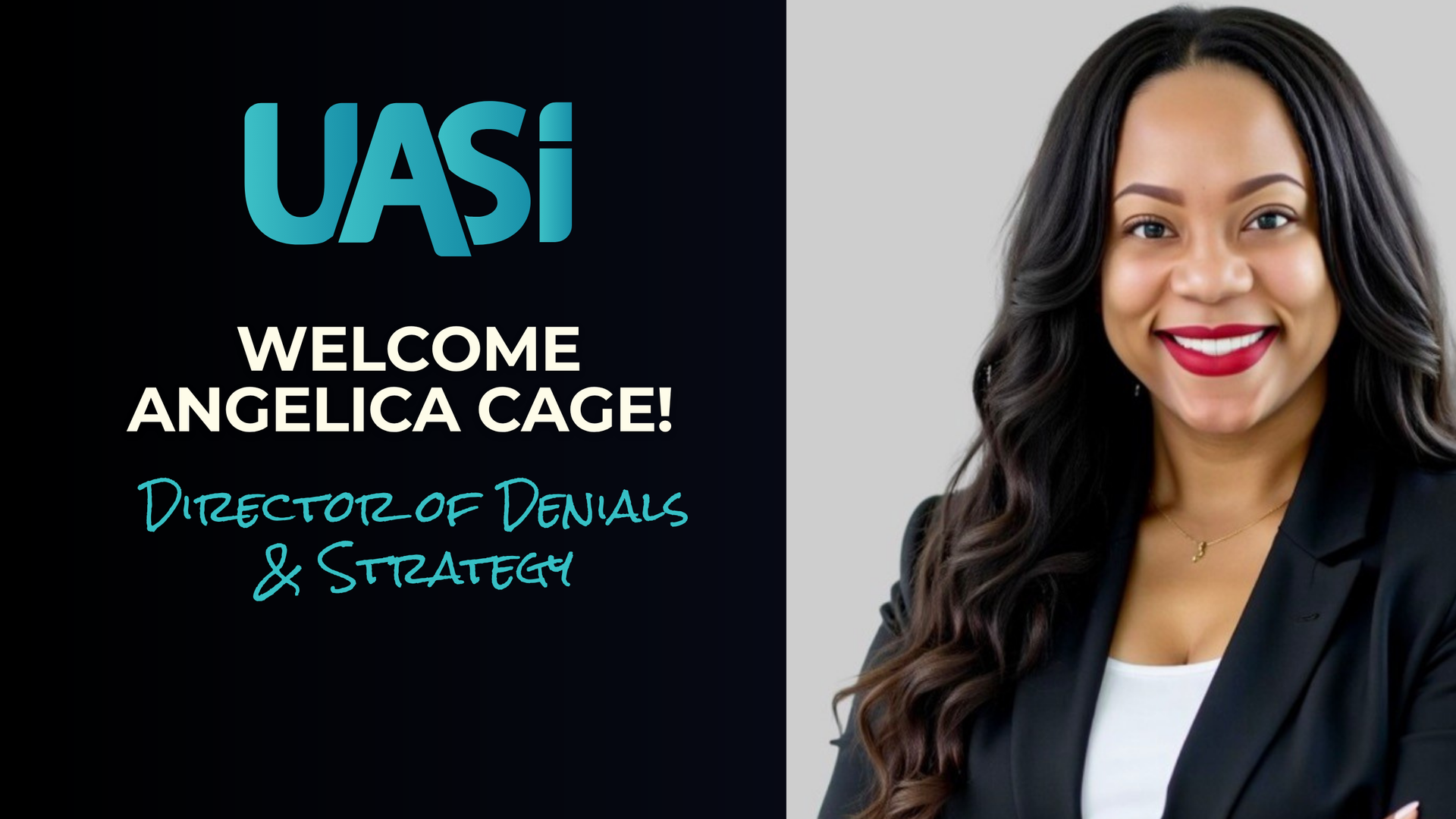
UASI welcomes new director supporting denials management and revenue cycle improvement.
By Katie Curry October 17, 2025
UASI announces its new Director of Denials & Strategy, strengthening leadership in denials management, appeals strategy, and revenue cycle performance.
The Nuances and Complexity of the Revenue Cycle Management of Critical Access Hospitals by Leah Jeffries
By Katie Curry October 1, 2025
Learn what to expect at AHIMA 2025 with key insights into revenue cycle management challenges and complexity for Critical Access Hospitals.
Diverse hands stacked together with title about understanding SDOH.
By Katie Curry September 29, 2025
Summary of Rachel Mack, MSN, RN, CCDS, CDIP, CCS, CRC’s insights on how social determinants of health (SDOH) impact patient outcomes, documentation, and care equity.
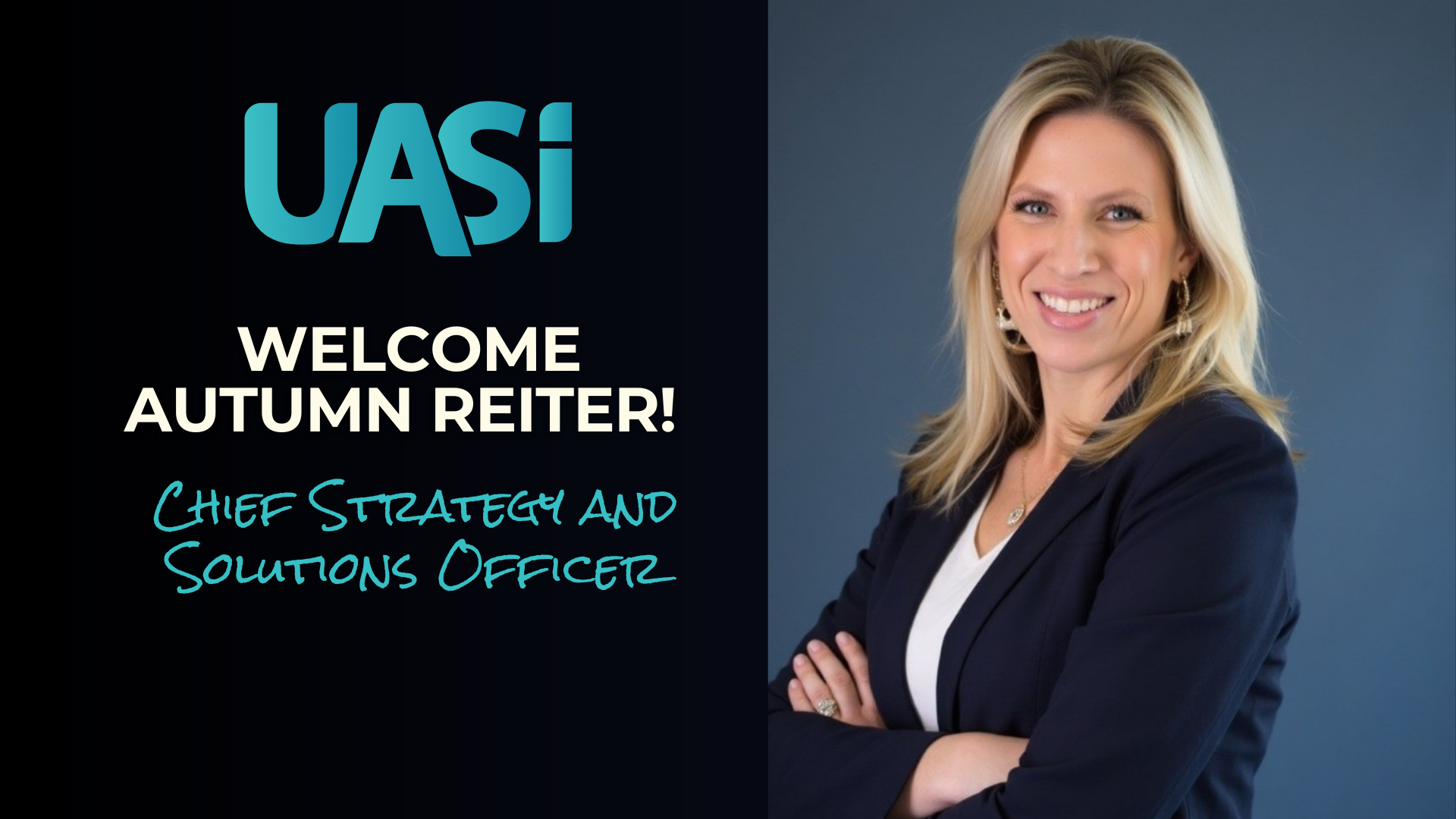
By Katie Curry September 19, 2025
UASI is proud to announce the appointment of Autumn Reiter as Chief Strategy and Solutions Officer. With 20 years of nursing experience, an MBA, and a decade of leadership in revenue cycle, payment integrity, and documentation improvement, Autumn brings a rare blend of clinical insight and strategic business expertise to the role. Autumn brings 20+ years of experience leading teams and delivering large scale solutions in CDI and Tech Enablement, Payment Integrity, and Provider Risk Strategies. Throughout her career, she has led large-scale programmatic builds, developed innovative solutions to optimize revenue capture, and implemented operational efficiencies that improved compliance and reduced costs for healthcare organizations nationwide. “UASI’s reputation for delivering exceptional results through strategic mid-revenue cycle solutions is unmatched in the industry,” said Reiter. “I am excited to join a team that shares my passion for bridging clinical care and business operations to drive quality, compliance, and operational excellence in healthcare reimbursement.” The addition of Autumn Reiter reflects UASI’s ongoing commitment to expanding its leadership team with seasoned industry experts who are dedicated to helping clients strategically optimize their revenue cycle, streamline operations, and enhance patient care. About UASI For over 40 years, UASI has bridged the gap between people and processes in financial and clinical operations by providing solutions that reduce revenue leakage, enhance operational efficiency, and ensure quality and compliance.
Hand placing a fifth yellow star on a blue background.
By Katie Curry September 16, 2025
Learn how reducing denials and improving documentation accuracy can directly strengthen quality scores and raise your CMS Star Ratings.
Clinician with stethoscope and UASI title on CDI program transformation.
By Katie Curry August 20, 2025
Learn how to transform Clinical Documentation Improvement (CDI) programs to strengthen accuracy, quality outcomes, reimbursement, and organizational performance.
Close-up of person signing documents with CMS FY 2026 payment updates title.
By Katie Curry August 6, 2025
Get the key takeaways from CMS’s FY 2026 payment updates and learn how proposed changes may impact reimbursement, documentation, and provider operations.
Hand holding a megaphone against a solid background, signaling CMS advisory.
By Katie Curry July 30, 2025
CMS alerts Qualified APM Participants to submit taxpayer ID and quality data by September 1 to receive 2025 incentive payments. Learn what providers must do now.
Red dart hitting the bullseye on a target against a blue sky.
By Katie Curry July 23, 2025
Insights from Kathy DeVault, MSL, CCS, CCDS, AHIMA-Approved ICD-10-CM/PCS Trainer, on why coding accuracy is essential in value-based care.
Messy desk with notes and a laptop, symbolizing CMS audit pressure and regulatory complexity.
By Katie Curry July 14, 2025
CMS’s expanded audit program signals regulatory changes for Medicare Advantage insurers. Learn how stricter oversight impacts operations.
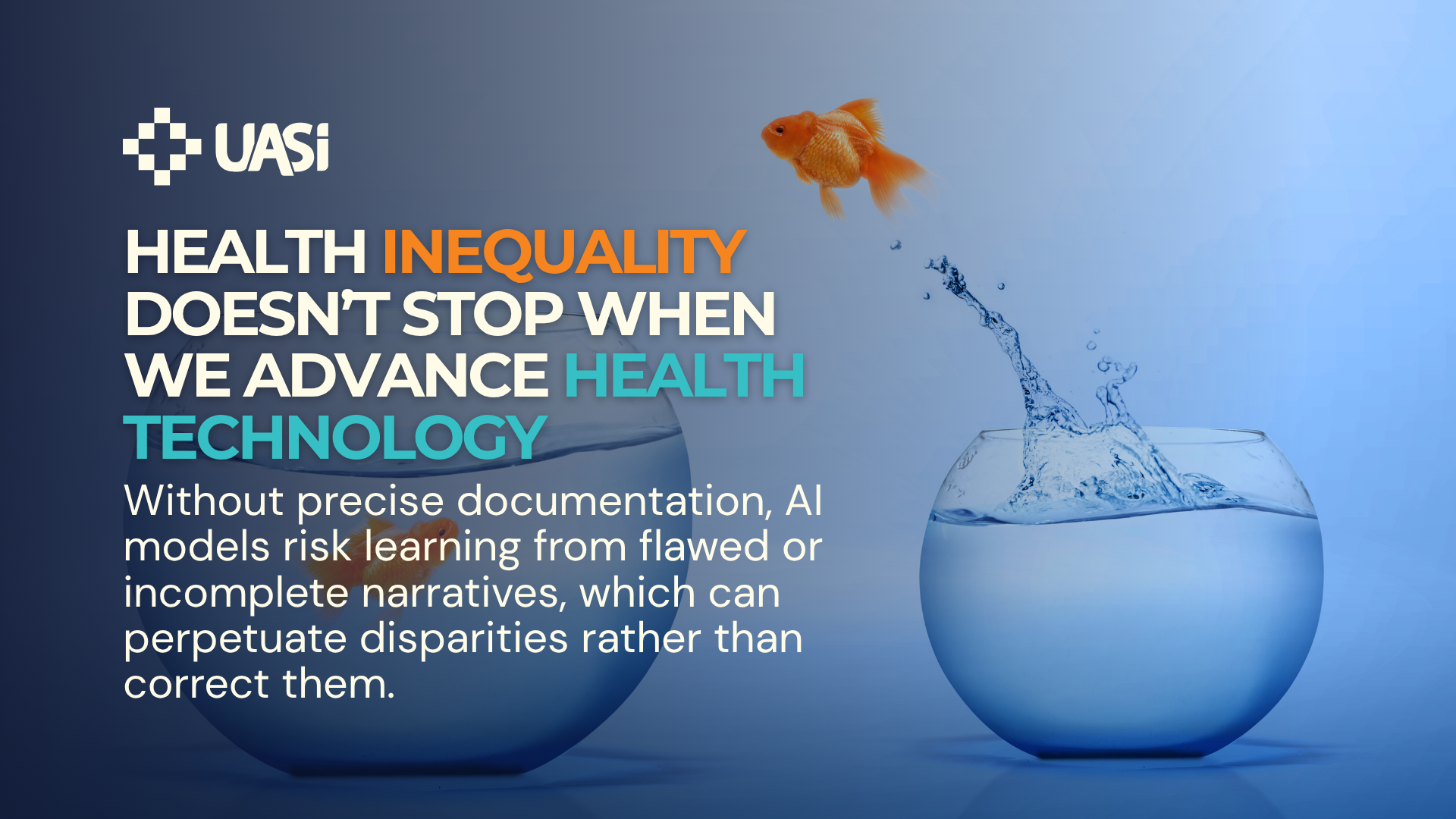
Goldfish jumping between bowls beside title on health inequality and technology.
By Katie Curry July 1, 2025
Advancing health technology isn’t enough to reduce disparities. Learn why accurate documentation is essential to prevent AI bias and improve equity in care.
By Katie Curry June 24, 2025
Do these sentiments sound familiar? For those of you working in CDI, Coding, and/or Quality, you are likely aware of the dreaded Patient Safety Indicators (PSIs). For those of you newer to the CDI and Coding community, let’s take a moment to break it down. What are Patient Safety Indicators? PSIs are a set of measurement tools created by the Centers for Medicare & Medicaid Services (CMS) that track adverse patient outcomes. This article in particular focuses on the Inpatient space. Per the Agency for Healthcare Research and Quality (AHRQ), Patient Safety 101, “Safety” can be defined in healthcare as: “avoiding harm to patients from care that is intended to help them. It involves the prevention and mitigation of harm caused by errors of omission or commission in healthcare, and the establishment of operational systems and processes that minimize the likelihood of errors and maximize the likelihood of intercepting them when they occur.” 1 Patient safety was not at the forefront of healthcare until the late 1990’s when the Institute of Medicine (IOM) published the report, To Err is Human. This report estimated that nearly 44,000–98,000 patients die from preventable errors in American hospitals each year. 2 The body content of your post goes here. To edit this text, click on it and delete this default text and start typing your own or paste your own from a different source.
Children assembling puzzle pieces with article title about APR DRGs and MS DRGs in pediatric care
By Katie Curry June 23, 2025
Learn how APR DRGs and MS DRGs impact reimbursement in pediatric care. Explore financial implications and strategies to support accurate payments.
By Katie Curry June 9, 2025
Bridging the Gap: Why Pediatric Patients Matter in CDI
Clinician holding a patient’s hand at the bedside.
By Katie Curry May 27, 2025
Explore how documentation, coding, and financial workflows in the mid-revenue cycle influence patient experience, quality measures, and organizational performance.
Hands holding a heart symbol with ACDIS 2025 insights
By Katie Curry May 21, 2025
Insights from Kathryn DeVault, MSL, CCS, CCDS, AHIMA-Approved ICD-10-CM/PCS Trainer, and Linda Wiseman, BSN, RN, CCDS, on why risk adjustment requires a broader view across care settings.
By Katie Curry May 15, 2025
Why Risk Adjustment Isn’t Just for Payers Anymore: The Hospital Revenue Opportunity No One's Talking About
Show More

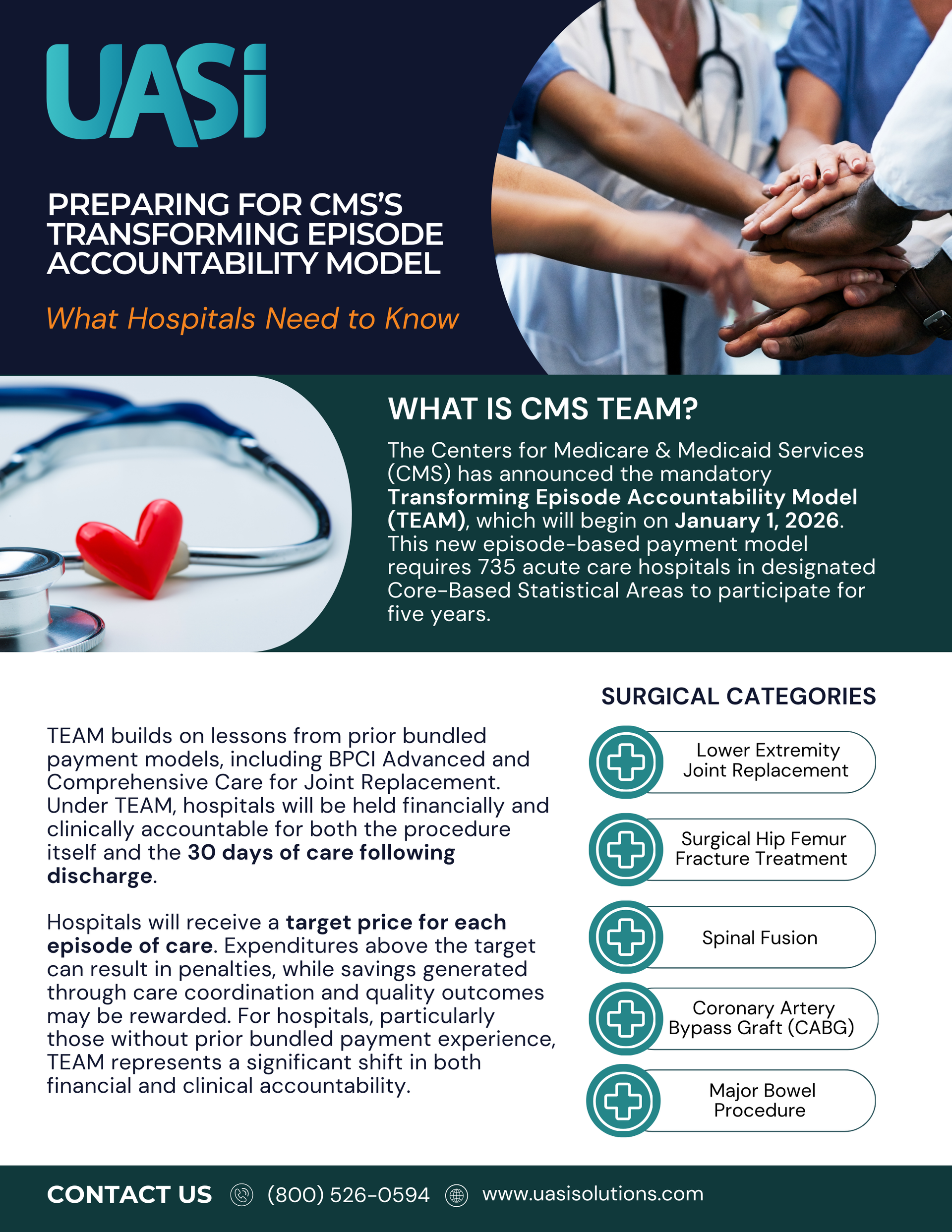
Preparing for CMS’s Transforming Episode Accountability Model (TEAM): What Hospitals Need to Know 


Starting January 1, 2026, the Centers for Medicare & Medicaid Services (CMS) will launch the mandatory Transforming Episode Accountability Model (TEAM). Covering five high-cost procedures, TEAM makes hospitals responsible for both the surgery and 30 days of follow-up care. The model brings new risks and opportunities, making early preparation critical for success.

Meet the Mavericks!

Welcome to UASI's Top Gun Spotlight! Here, we shine a light on the brightest minds and leaders in the healthcare industry. Our Top Gun series features in-depth interviews, inspiring stories, and expert insights from the professionals who are making a significant impact. Get to know the trailblazers driving innovation, setting new standards, and shaping the future of healthcare. Whether you're seeking inspiration, mentorship, or a fresh perspective, our Top Gun Spotlight offers valuable lessons and powerful stories from those at the top of their game. Join us and be inspired by the leaders who are transforming the industry!
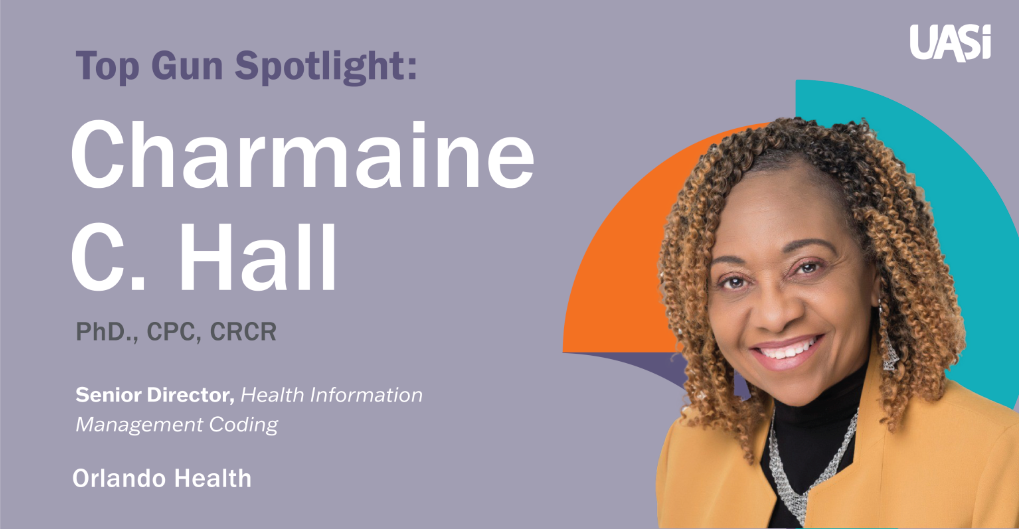

UASI Top Gun Spotlight, Charmaine c. Hall
By UASI SOLUTIONS August 6, 2024
UASI honors Charmaine C. Hall as a Top Gun award recipient, recognizing her dedication to clients and outstanding contributions to mid-revenue cycle performance.
Melissa Koehler, UASI Top Gun Spotlight
By UASI SOLUTIONS August 6, 2024
UASI celebrates Melissa Koehler as a Top Gun honoree, recognizing her leadership, exceptional performance, and commitment to delivering quality client outcomes.

Featured Article

Is Your Risk Adjustment Program Contributing to Burnout?

Burnout in healthcare is a significant and growing issue, affecting everyone from frontline clinical staff to administrative personnel.


Despite ongoing efforts to tackle this challenge, burnout remains alarmingly high among physicians. According to the 2024 Medscape Physician Burnout & Depression Report, 49% of physicians are experiencing burnout, a modest improvement from the previous year’s 53%. This underscores the lingering impact of COVID-19 and the heightened pressures within the healthcare system.

A doctor is sitting down with his head in his hands.

Healthcare practices are juggling Fee-For-Service (FFS) and Value-Based Care (VBC) models simultaneously. This means that there is either one generalized process that effectively serves both models or two distinct processes, rules, tools, and approaches. The FFS model pushes providers to see more patients and perform more procedures, which can be overwhelming and lead to unnecessary services. On the other hand, VBC emphasizes quality care and chronic disease management over the long term, requiring various management methods beyond traditional encounters. Balancing these models and meeting compliance demands can be daunting and contribute to burnout.


Top 5 Strategies You Can Implement Now to Reduce Burnout

1. Simplify Administrative Tasks: Reducing bureaucratic tasks like charting and paperwork by employing Clinical Documentation Integrity (CDI) and coding professionals allows providers to focus more on patient care and less on administrative duties. Organizations that utilize CDI professionals reduce denials, re-work, and improve the effectiveness of their queries. This reduces the administrative burden not only for physicians but also for CDI and coding professionals.


2. Proactive Scheduling of Patients: Prioritizing Annual Wellness Visits (AWVs) and transitional care visits using Risk Adjustment Factor (RAF) scores, or Hierarchical Condition Categories (HCCs) helps manage resources efficiently and reduces provider burnout. Using data to understand current RAF scores and recapture opportunities by patient ensures that the patients with the most impact are seen at least annually and given their chronic conditions, more frequently as appropriate.


3. Conduct Prospective CDI Reviews: Ensuring CDI professionals prospectively review records and communicate priority clinical indicators guarantees accurate medical documentation, reduces the time providers spend researching patient records in advance, and ensures optimal outcomes while reducing re-work.


4. Effective Use of Coders: Utilizing professional coders to handle diagnosis codes for claims reduces compliance issues, lost revenue due to over-coding or under-coding, and increased frustration. A streamlined coding process ensures that claims are processed expeditiously, resulting in faster cash flow. This not only saves time but also reduces compliance risks and the administrative burden on physicians.


5. Leverage Technology: Implementing advanced technology solutions, such as our proprietary software RAF Vue™️, can significantly enhance efficiency and accuracy. Instant insights into chronic code capture and recapture opportunities allow for quick identification of patients with the greatest treatment and financial impacts. With a centralized, patient-level view and automatic calculation of reported and potential RAF scores, RAF Vue™️ generates comprehensive reporting at the patient, provider, and reviewer levels. Best of all, RAF Vue™️ can achieve immediate go-live without requiring EMR integration, reducing the technological burden on your practice.


Comprehensive Support from UASI

At UASI, we specialize in guiding healthcare organizations through the intricacies of risk adjustment and value-based care. We evaluate programs, assess needs, identify priorities, and create effective strategies to reduce administrative burdens, enhance care quality, and improve financial outcomes. Our goal is to support your practice in reducing burnout and improving patient care.

Learn more about it
A couple of papers with a check mark next to them.
A man is walking through a living room next to a woman sitting on a couch.

We are here to help.

Let us help you navigate the complexities of risk adjustment and value-based care to achieve sustainable success. Contact us today to learn how we can support your practice in reducing burnout and improving patient care.

Book a consultation